Safe Plants for Your Crested Gecko
Safe Plants for Your Crested Gecko
I’ve seen too many cresties in bare, sterile tanks. The right live plant does more than look good—it provides humidity, climbing surfaces, and security. But choosing the wrong one can be dangerous. Let’s talk about proven, non-toxic plants that will thrive in your gecko's environment and where you can find the supplies to support them at Crestiecare.
Why Live Plants Are a Game-Changer
Live plants are the cornerstone of a bioactive or naturalistic vivarium. They actively contribute to the enclosure's health by processing waste through the substrate, increasing ambient humidity through transpiration, and providing sturdy, natural climbing structures. A Pothos or Snake Plant offers broad leaves for your gecko to hide under, which reduces stress significantly more than plastic foliage ever could. From my experience, a well-planted tank is easier to maintain in the long run, as the plants help stabilize the ecosystem. You’ll need a quality substrate mix and proper lighting to make it work, which is something we specialize in at Crestiecare.
Top 5 Beginner-Friendly Safe Plants
Start with these hardy, readily available species. Pothos (Epipremnum aureum) is virtually indestructible, grows quickly, and its trailing vines are perfect for climbing. Snake Plant (Sansevieria trifasciata) is a tough, upright plant that tolerates lower light. Spider Plant (Chlorophytum comosum) is non-toxic and produces plantlets you can propagate. Bromeliads (like Neoregelia) add color and their central cups hold water droplets for drinking. Finally, Prayer Plants (Maranta leuconeura) offer beautiful, broad leaves close to the ground for cover. All of these are confirmed safe and can be found at most garden centers—just be sure to repot them with organic, fertilizer-free soil before introducing them to the tank.

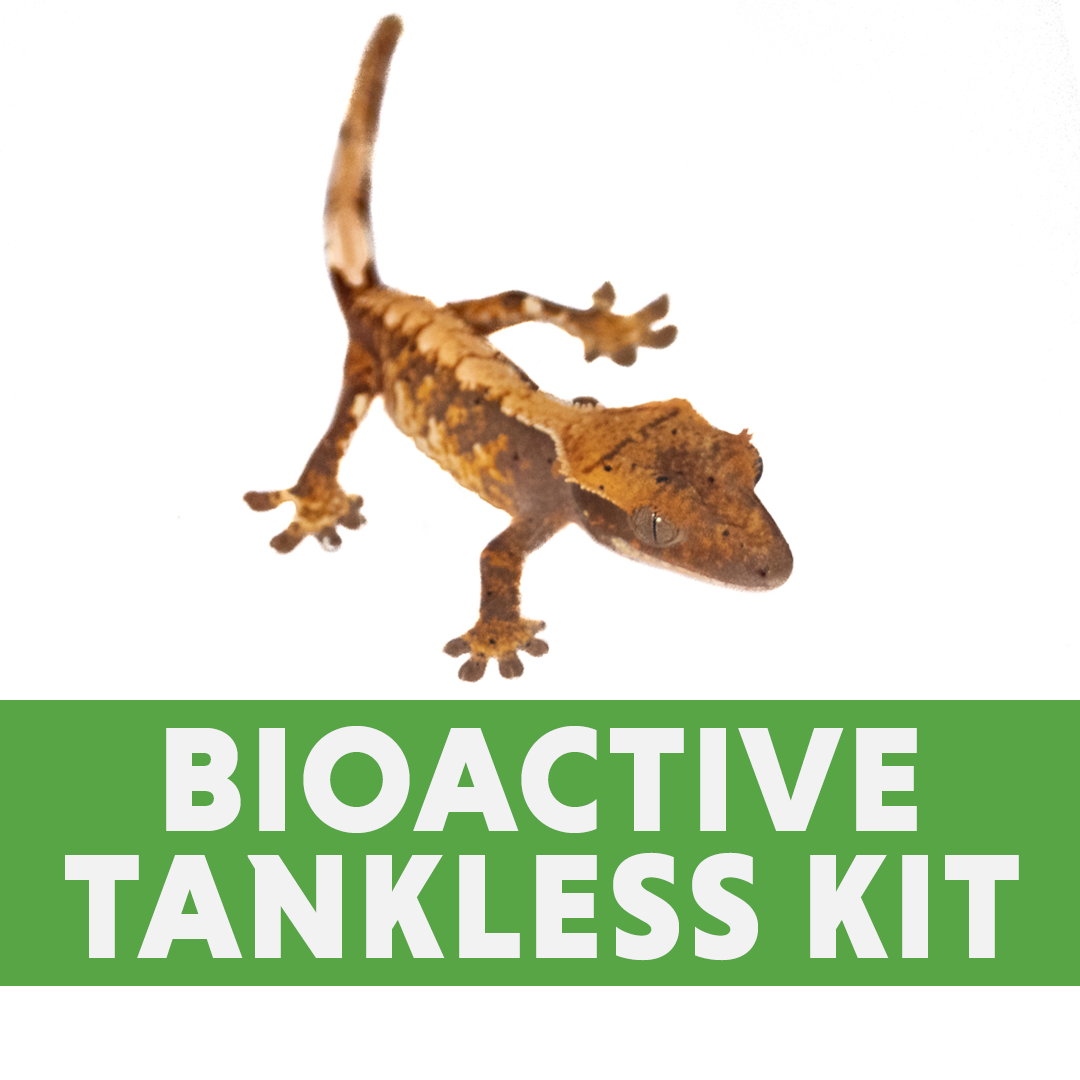
Get the right foundation: Shop our Bioactive Substrate Kits
Setting Up Your Planted Vivarium for Success
Planting isn't just about sticking a plant in dirt. You need a layered substrate system. I recommend a drainage layer of clay balls or mesh at the bottom, followed by a substrate barrier, and then a deep bioactive soil mix—at least 3-4 inches for root growth. Lighting is critical; a full-spectrum LED like the Arcadia Jungle Dawn or Zoo Med ReptiSun LED provides the right spectrum for plant growth without excessive heat. Water the plants deeply but infrequently, allowing the soil to dry slightly between waterings to prevent mold. A timer for your lights is a must for a consistent 12-hour cycle.
Plants to Avoid: The Toxic List
This is the most important part. Many common houseplants are toxic if ingested. Absolutely avoid plants in the Araceae family, which includes Pothos look-alikes like Peace Lilies, Philodendrons, and Dieffenbachia. These contain calcium oxalate crystals that cause oral irritation and swelling. Also steer clear of Sago Palms (highly toxic), Ivy (Hedera helix), and Oleander. When in doubt, consult a reputable herpetology-based plant list or the ASPCA database. If you're unsure about a plant, it's simpler and safer to choose a known-safe option from our recommended list.

Ensure strong plant growth: Browse our Terrarium Lighting
Maintaining Your Mini Jungle
Ongoing care is minimal but essential. Trim back fast-growing plants like Pothos to prevent them from taking over. Remove any dead or yellowing leaves promptly to keep the enclosure clean. Monitor for pests like fungus gnats; using a high-quality, pre-washed substrate like our Crestiecare Bioactive Mix can help prevent them. Your crested gecko will likely climb and perch on the plants, so ensure all plantings are secure and won't topple over. A balanced cleanup crew of isopods and springtails in a bioactive setup will handle decaying plant matter, making your life much easier.
FAQ: Crested Gecko Safe Plants
What plants are toxic to crested geckos?
Several common houseplants are toxic. Key ones to avoid include all true Lilies, Philodendrons, Dieffenbachia (Dumb Cane), Sago Palm, and Ivy (Hedera helix). These plants can cause oral irritation, digestive issues, or more severe toxicity if ingested. Always identify a plant with 100% certainty before placing it in your vivarium.
What plants are not safe for crested geckos?
Beyond the outright toxic plants, avoid any plant that has been treated with pesticides, herbicides, or chemical fertilizers. Also, plants with sharp thorns or spines (like some cacti) can injure your gecko. It's best to source plants from a reptile-safe supplier or thoroughly wash and repot store-bought plants into organic soil.
Last updated: April 13, 2026
nn