Posted on Leave a comment

Are Crested Geckos Dangerous Pets?

Crested Geckos: Low-Maintenance Pets?

Are Crested Geckos Dangerous Pets?

You’re holding your new crested gecko for the first time, and it suddenly leaps from your hand. Your immediate thought might be, “Is this little dinosaur going to hurt me?” The short answer is no, but understanding the real risks—and separating myth from fact—is key to a safe relationship with your pet.

The Truth About Biting and Aggression

Crested geckos are not aggressive animals. A bite is an extremely rare event, almost always a case of mistaken identity during feeding. Their teeth are tiny, designed for mashing fruit and insects, not for defense. If a bite does occur, it feels like a mild pinch or a rough Velcro grab—startling, but not painful or damaging. I’ve been nipped exactly once in over a decade of handling hundreds of geckos, and it drew no blood. The real “danger” is to the gecko itself from a fall, which is why supervised, low-to-the-ground handling is crucial. Their primary defense mechanism is to simply drop their tail and run, not to fight.

Salmonella: The Real Hygienic Concern

The most significant health consideration with any reptile, including crested geckos, is the potential for Salmonella bacteria. They can carry it in their digestive tracts without showing any symptoms. The danger isn’t from the gecko itself, but from cross-contamination. This is 100% preventable with proper hygiene. Always wash your hands thoroughly with soap and water after handling your gecko or cleaning its habitat. Never let them roam on kitchen counters or near food prep areas. For families, this is a perfect opportunity to teach kids responsible pet care. Keeping the enclosure clean with the right supplies, like the Exo Terra Spray & Wipe cleaner we stock at Crestiecare, makes maintenance safe and simple.

Person washing hands after handling a crested gecko

Simple handwashing eliminates the primary health risk associated with reptile keeping.

Safe Handling for You and Your Gecko

Improper handling is where most minor issues arise. A startled gecko can jump, potentially injuring itself if it falls from a great height. Your job is to be a calm, secure platform. Let the gecko walk onto your open hand voluntarily. Avoid grabbing from above, as this mimics a predator. Support its body fully and keep sessions short (5-15 minutes). If you’re nervous about handling a fast juvenile, practice in a secure, padded area. The goal is mutual trust. For especially skittish geckos, using a small, soft handling container like the Zoo Med Repti Rock food dish can help you move them safely during cage cleaning, which we always recommend at Crestiecare for stress-free transitions.

Dispelling Common Myths and Fears

Let’s tackle some persistent myths. No, crested geckos are not venomous or poisonous. They do not carry rabies. Their skin is not toxic or harmful to touch. Some people worry about the “sticky” secretions from their toe pads, but this is just a harmless natural adhesive. Another common fear is about their droppings. While feces should be cleaned promptly, they are not a toxic hazard; again, handwashing is the simple solution. The biggest actual risk in crested gecko ownership is usually metabolic bone disease from poor diet or inadequate UVB lighting—a danger to the pet, not the owner. Using a balanced diet like Pangea Crested Gecko Diet and providing proper lighting prevents this.

A calm crested gecko sitting on a person's open palm

A well-cared-for crested gecko is a calm and harmless companion.

Who Should Think Twice?

While crested geckos are not dangerous, they aren’t the perfect pet for absolutely everyone. Households with very young children (under 5) need strict adult supervision to prevent accidental drops or poor hygiene. Individuals with compromised immune systems should consult a doctor, as the Salmonella risk, though manageable, is more serious for them. If you are looking for a cuddly, constantly handled pet, a crested gecko’s more observational nature might be disappointing. However, for most people, following basic hygiene and handling protocols makes them one of the safest, lowest-risk pet reptiles you can choose.

Frequently Asked Questions

Do crested geckos carry diseases?

Like all reptiles, crested geckos can potentially carry Salmonella bacteria in their gut. They do not carry common mammalian diseases like rabies or distemper. The key is prevention: always wash your hands after contact and maintain a clean habitat. Regular cleaning with products from Crestiecare’s habitat maintenance section makes this easy.

Can crested geckos make you sick?

They can only pose a sickness risk if proper hygiene is ignored. The primary concern is Salmonella, which can cause gastrointestinal illness if bacteria are transferred from your hands to your mouth. This is entirely preventable by washing your hands with soap and water after every interaction with your gecko or its enclosure.

Browse our crested geckos collection for everything you need to keep your pet healthy and your home safe.

Last updated: April 13, 2026

nn
Posted on Leave a comment

Male vs Female Crested Geckos: Which to Choose?

Male vs Female Crested Geckos: Which to Choose?

Male vs Female Crested Geckos: Which to Choose?

You’re ready for your first crested gecko, but you’ve hit a common roadblock: should you get a male or a female? The answer isn’t about which sex is “better,” but which is better for you. As someone who’s raised dozens of cresties, I can tell you the choice impacts everything from tank setup to long-term planning, especially if you’re considering more than one gecko down the line.

Size and Physical Differences: More Than Just Looks

While both sexes are similar as juveniles, adult males and females develop distinct physical traits. Males develop prominent hemipenal bulges at the base of their tail and larger, more defined pre-anal pores. These pores secrete a waxy substance used for scent marking. Females lack these bulges and have much less noticeable pores. In terms of size, females often become slightly heavier and broader in the body, especially when gravid (carrying eggs). A robust female might reach 45-55 grams, while a large male typically tops out around 40-50 grams. This size difference means your feeding regimen and the overall space they occupy are quite similar, so don’t base your decision solely on hoping for a “bigger” pet.

Behavior and Temperament: Individuality Reigns Supreme

I’ve handled many cresties over the years, and the biggest myth is that one sex is consistently calmer. Personality varies wildly from gecko to gecko. That said, adult males can be more territorial and may display more frequent “cage cruising” or glass surfing, especially if they sense another male nearby. They are also more likely to vocalize with little chirps or barks. Females are often described as more placid, but a gravid female can become restless while seeking a laying site. For a first-time owner, a female is often recommended simply because you avoid potential male territorial behaviors, but a well-socialized male can be just as handleable. The key is consistent, gentle interaction regardless of sex.


A calm crested gecko resting on a branch

Providing plenty of cover and climbing space, like our Zoo Med Naturalistic Terrarium, helps any gecko feel secure and can minimize stress-related behaviors.

The Solo Pet vs. Breeding Consideration

This is the most critical factor in your decision. If you want one, single, lifelong pet, either a male or female is a perfect choice. However, if you think you might ever want a pair, you must plan from the start. Housing two males together is a firm no—they will fight, often causing severe injury. The only safe multi-gecko setups are one male with one or more females (if you’re prepared for breeding and offspring), or a group of females only. A female-only group can work in a very large, well-designed enclosure, but you must monitor for bullying. My advice? Start with one. If you later decide to expand, a second female is the safest addition. We see many new keepers at Crestiecare who didn’t plan ahead and end up needing a second complete setup.

Health and Lifespan: What to Expect Long-Term

With proper care, both males and females can live 15-20 years in captivity. Their primary health concerns differ slightly. Females, even without a male present, can lay infertile eggs (duds). This requires you to provide a consistent laying box filled with moist substrate, like our Zoo Med Eco Earth Loose Coconut Fiber Substrate. Failure to provide this can lead to life-threatening egg binding. Males don’t have this concern, but their pre-anal pores can become impacted if not kept clean, which is easily managed with proper humidity and occasional gentle wiping during sheds. Both sexes are prone to the same issues: metabolic bone disease from poor diet and improper UVB lighting, and obesity from overfeeding. A staple diet like Pangea or Repashy Crested Gecko Diet, which we always stock at Crestiecare, is essential for both.


A crested gecko in a lush, planted terrarium

A healthy habitat with proper substrates and nutrition from Crestiecare supports a long life for both male and female geckos.

Making Your Final Choice: A Simple Checklist

Stop overthinking it. Ask yourself these three questions: 1) Do I want only ONE gecko forever? If yes, flip a coin—you’ll be happy with either. 2) Might I want more than one later? If yes, start with a female. It gives you the option to add another female later without conflict. 3) Am I interested in breeding? If yes, you’ll need at least one male and one female, but you must commit to extensive research, separate enclosures for juveniles, and finding homes for offspring. For 95% of new owners, the simplest and most rewarding path is to acquire a single, healthy juvenile from a reputable source and enjoy it as a pet. Sexing is tricky before 6-12 months of age, so if you buy a young “unsexed” gecko, be prepared for either outcome.

Is it better to get a male or female crested gecko?

For a single pet, there’s no “better” option—it comes down to personal preference. If you think you might ever want a second gecko, starting with a female is the safer choice, as females can sometimes be housed together, while males cannot.

Can two female crested geckos live together?

It’s possible in a very large, heavily planted enclosure (like a 40-gallon tall or larger), but it’s not without risk. You must monitor closely for signs of aggression or competition for food. Housing geckos separately is always the safest, most recommended practice.

Do female crested geckos lay eggs without a male?

Yes. Females will often lay infertile eggs (duds) even without ever being paired with a male. It’s crucial to provide a permanent laying box filled with moist sphagnum moss or coconut fiber to prevent dangerous egg binding.

Are male crested geckos more aggressive?

Males can be more territorial, especially around other males, which is why they must never be housed together. Towards humans, a male is not inherently more aggressive; a gecko’s handleability depends far more on its individual personality and how it was socialized.

Ready to find your perfect gecko? Browse our crested geckos collection to see the healthy, well-started juveniles we have available.

Last updated: April 13, 2026

nn

Posted on Leave a comment

Essential Crested Gecko Accessories

Essential Crested Gecko Accessories

Essential Crested Gecko Accessories

You’ve got the terrarium and the gecko, but the right accessories are what transform a basic enclosure into a thriving, bioactive home. I’ve seen too many setups with just a food dish and a single vine—it’s like living in an empty studio apartment. Your crestie needs vertical space to climb, secure hides to feel safe, and proper tools for you to maintain their health. Let’s break down the must-haves beyond the tank itself.

Climbing Structures: Think Vertical

Crested geckos are arboreal; they live in trees. Your number one priority is filling that vertical space with climbable surfaces. Flimsy decor from a big-box store often won’t hold an adult gecko’s weight. I recommend a mix of materials. A central piece like a Magnetic Jungle Vine or a Zoo Med Cork Round provides a sturdy anchor. Then, layer in bendable vines like the Fluker’s Bend-A-Branch to create pathways between hides and feeding ledges. For a natural look, ghostwood or manzanita branches are excellent, but always bake them at 250°F for an hour to sanitize. The goal is to create a 3D highway that lets your gecko utilize every inch of the enclosure, from the substrate to the top screen.

Hides & Security: The Safe Zones

Even the most outgoing crestie needs a place to retreat. Hides reduce stress, which directly impacts appetite and health. You need at least two: one in the warm/mid-level zone and one in the cooler, humid bottom. For the top, a simple coconut hide mounted with suction cups works well. At the bottom, I prefer a Zoo Med Repti Shelter or a flat piece of cork bark leaned against the glass. In bioactive setups, a “gecko garage” made from a plastic container with an entrance hole buried in the substrate is a favorite. It maintains higher humidity for shedding. Never use hides with rough interiors that can snag their delicate skin. A stressed gecko that can’t hide is a gecko that won’t thrive.

A magnetic wooden bridge mounted inside a terrarium

Feeding & Hydration Solutions

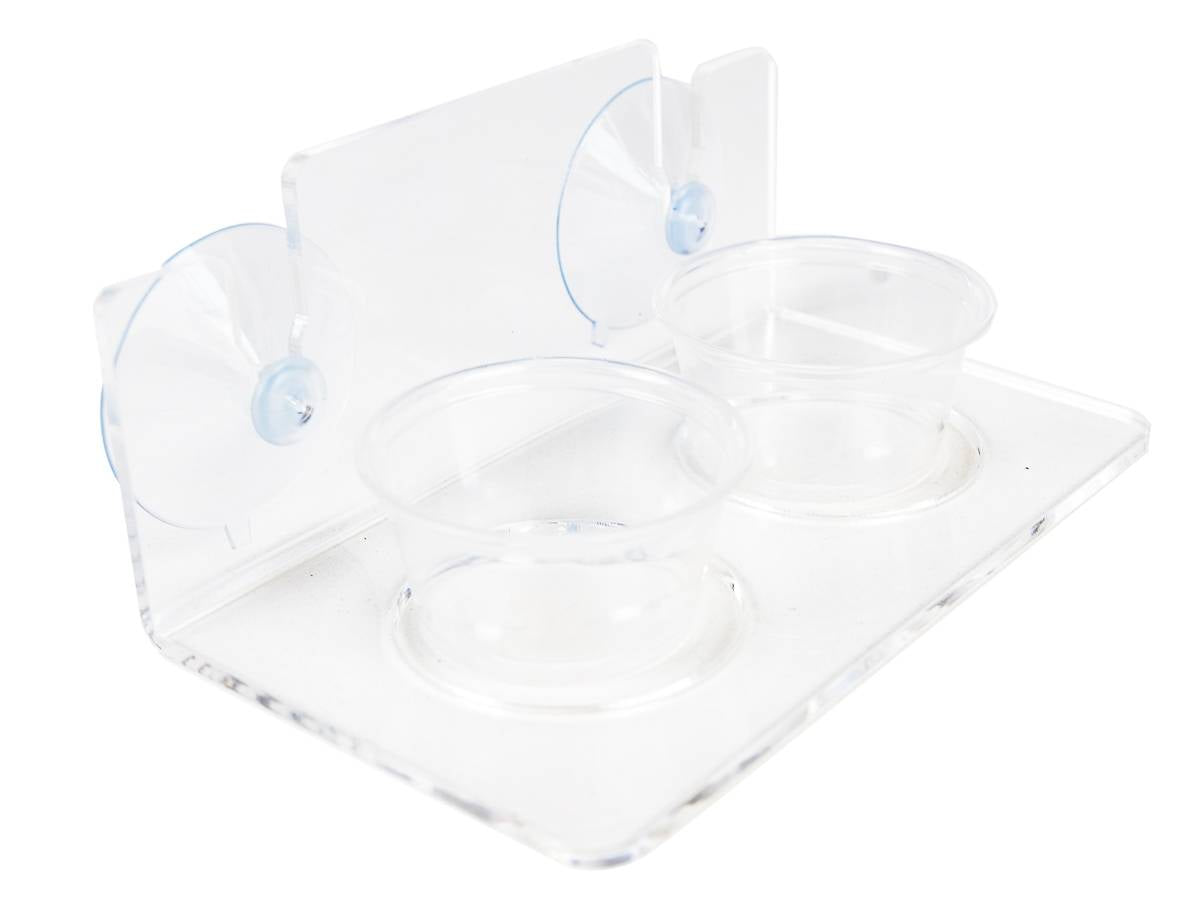
Gravity-fed water dishes and food bowls are a mess waiting to happen. Crested geckos climb on everything, and they will tip over standard dishes. The solution is ledge feeders. Magnetic or suction-cup ledges, like the Pangea Magnetic Gecko Ledges, keep food and water accessible and clean. I use a small 2-ounce cup for CGD (Crested Gecko Diet) and a similar one for water. For hydration, never underestimate the importance of misting. A simple spray bottle works, but for consistent humidity, a mist system like the Exo Terra Monsoon is a game-changer, especially if you travel. Always offer water in two ways: a ledge cup and via nightly misting on leaves for them to drink droplets.

Maintenance & Health Tools

The right tools make routine care effortless. Your essential kit should include: a digital thermometer/hygrometer combo (avoid analog dials, they’re often inaccurate), a handheld laser temperature gun to spot-check basking surfaces, and a long-tipped feeding syringe for assisting weak geckos or offering medication. For substrate maintenance in bioactive tanks, a pair of long tweezers for removing waste is crucial. At Crestiecare, we always recommend the Zoo Med Digital Thermometer/Hygrometer as a reliable, affordable starting point. Without accurate readings, you’re guessing on your humidity and temperature gradients, which are foundational to your gecko’s health.

Two magnetic feeding ledges with food and water cups attached to glass

Bioactive & Enrichment Add-Ons

Once the basics are covered, you can enhance quality of life. For bioactive setups, a CUC (Clean-Up Crew) starter culture of springtails and isopods is non-negotiable—they break down waste. For enrichment, consider a magnetic bridge or a soft plastic foliage mat to add visual barriers and climbing texture. A simple, safe addition is a smooth stone under the heat source for a warm belly spot. Avoid overly complex decor with small holes where a gecko could get stuck. Remember, accessories should serve a purpose: increasing usable space, providing security, or facilitating natural behaviors. Every item you add should be easy to clean or replace.

What’s the single most important accessory I should buy first?

A high-quality, magnetic or suction-cup feeding ledge. It securely holds food and water cups off the ground, prevents spills, and positions food at your gecko’s natural climbing level. This one purchase improves cleanliness and accessibility immediately. We stock several reliable models at Crestiecare starting under $15.

How many hides does a single crested gecko need?

At a minimum, two: one placed in the upper third of the enclosure (warmer/drier) and one on the ground or in the foliage (cooler/more humid). This allows them to thermoregulate and feel secure throughout the entire temperature and humidity gradient of their home.

Can I use branches from my backyard?

You can, but you must sanitize them properly. Hardwoods like oak or maple are best. Soak them in a mild bleach solution (1 part bleach to 10 parts water), rinse thoroughly, and then bake in an oven at 250°F for at least 45-60 minutes to kill any pests, mold, or bacteria. When in doubt, purchasing baked cork or ghostwood is safer and easier.

Browse our crested geckos collection

Last updated: April 13, 2026

nn

Posted on Leave a comment

Safe Plants for Crested Gecko Enclosures

Safe Plants for Your Crested Gecko

Safe Plants for Crested Gecko Enclosures

I’ve seen too many cresties nibble on a leaf only for their owner to panic, unsure if it’s safe. The truth is, live plants aren’t just decoration; they’re functional humidity regulators, climbing structures, and potential snacks. Choosing the right ones is non-negotiable for a bioactive or naturalistic setup. Let’s talk about the species I’ve used successfully for years, focusing on safety, durability, and how to source them properly.

Why Live Plants Are a Game-Changer

Beyond aesthetics, live plants create a microclimate. A well-planted Pothos or Dracaena will actively pull water from the substrate and release it into the air, stabilizing the 50-70% humidity range cresties need. They also provide secure, natural hiding spots that reduce stress—far better than a plastic hide. Crucially, they are part of the bioactive cleanup crew cycle, helping process waste. I always recommend starting with at least two robust, easy-care plants. It transforms the tank from a sterile box into a living ecosystem, and you’ll notice more natural behaviors from your gecko almost immediately.

Top Safe & Hardy Plant Choices

My go-to list is based on plants that survive occasional trampling and nibbling. Pothos (Epipremnum aureum) is the undisputed champion; it grows rapidly in low light, its broad leaves hold water droplets, and it’s completely non-toxic. Snake Plants (Sansevieria/Dracaena trifasciata) are fantastic for vertical structure with their stiff, upright leaves. Spider Plants (Chlorophytum comosum) are safe and prolific, and their grassy form is great for cover. Bromeliads (Neoregelia, Guzmania) add color and their central cups hold drinking water. For a trailing effect, Pellionia repens is excellent. Always buy these from a nursery that doesn’t use systemic pesticides.

Crestiecare Bioactive Terrarium Kit with safe plants

Creating a thriving habitat starts with safe, healthy plants. At Crestiecare, we source reptile-safe plants for our bioactive kits.

How to Prepare and Plant Safely

You can’t just plop a store-bought plant into the enclosure. First, remove it from its pot and gently wash all soil from the roots under lukewarm water. This eliminates chemical fertilizers and pests. Soak the bare roots in a diluted bleach solution (1 part bleach to 10 parts water) for 5-10 minutes, then rinse thoroughly. Repot the plant directly into your bioactive substrate mix, which should be a well-draining blend like our Crestiecare Bioactive Substrate. Firm the soil around the base and water it in. Quarantine the planted enclosure for a week or two if possible before introducing your gecko, to ensure no mold outbreaks and that the plant establishes.

Plants to Avoid at All Costs

Some common houseplants are dangerously toxic. Any plant in the Araceae family, which includes Peace Lilies, Philodendrons, and Dieffenbachia, contains insoluble calcium oxalates that cause intense mouth pain, swelling, and vomiting. Sago Palms are highly toxic and can cause liver failure. Oleander and Foxglove affect the heart. Even some succulents like certain Euphorbias have irritating sap. When in doubt, cross-reference with the ASPCA’s toxic plant list (though it’s geared toward cats/dogs, it’s a good conservative guide). If you’re unsure, leave it out.

A thriving crested gecko enclosure with safe pothos and bromeliads

A well-planted tank promotes health and natural behavior. Find everything you need for your build at Crestiecare.

Maintaining Your Planted Vivarium

Light is key. Use a full-spectrum LED plant light like the Arcadia Jungle Dawn or a similar broad-spectrum LED bar for 10-12 hours a day. Overwatering is the biggest killer; let the top layer of substrate dry slightly between waterings. Trim overgrown plants regularly to maintain airflow and prevent mold. A light, reptile-safe fertilizer like BioDude’s BioShot or Josh’s Frogs Fertilizer can be used sparingly during the growing season, but a healthy bioactive substrate often provides enough nutrients. Monitor for pests like fungus gnats—sticky traps are safe for use inside the enclosure.

FAQ: Crested Gecko Safe Plants

What plants are toxic to crested geckos?

Plants containing insoluble calcium oxalates, like those in the Araceae family (Peace Lily, Philodendron, Pothos is safe and is an exception), are toxic and cause oral irritation. Highly poisonous plants like Sago Palm, Oleander, and Foxglove must also be strictly avoided, as ingestion can lead to severe systemic illness or be fatal.

What plants are not safe for crested geckos?

Avoid any plant with a milky sap (like many Euphorbias or Ficus elastica), thorny or spiny plants (cacti), and any plant treated with systemic pesticides, insecticides, or chemical fertilizers. It’s not just about toxicity; physical injury from spines or chemical poisoning from residues are significant risks.

Browse our crested geckos collection

Last updated: April 13, 2026

nn

Posted on Leave a comment

Crested Gecko Care: Your Complete Guide

Crested Gecko Care: Your Complete Guide

Crested Gecko Care: Your Complete Guide

You’ve just brought home your first crested gecko, a beautiful little harlequin, and it’s clinging to the side of its temporary tub. You know they need a tall tank and a special diet, but the sheer amount of conflicting advice online is overwhelming. Getting the fundamentals right from day one is the difference between a thriving, 20-year companion and a stressed, unhealthy pet. Let’s cut through the noise with clear, actionable steps based on two decades of collective reptile-keeping experience.

Setting Up the Perfect Enclosure

The enclosure is your gecko’s entire world. For a single adult, a minimum of 18″x18″x24″ is non-negotiable; I always recommend starting with a 18″x18″x36″ if you have the space. Height is critical—these are arboreal animals. Screen tops are great for ventilation, but in dry climates, a front-opening glass terrarium like the Exo Terra 18x18x24 helps maintain the 50-70% humidity they need. The substrate matters: avoid loose particulate bedding for juveniles. Use paper towel for babies for easy monitoring, and upgrade to a bioactive mix or coconut fiber for adults. The most common mistake I see is under-furnishing. Your gecko needs clutter—horizontal cork tubes, magnetic ledges, and a dense assortment of artificial or live plants—to feel secure and explore. A simple, low-wattage ceramic heat emitter on a thermostat can provide a gentle 72-78°F warm spot if your room dips below 70°F.

Mastering Diet and Nutrition

Forget the old myth of just feeding fruit baby food. Modern, prepared Complete Crested Gecko Diets (CGD) from brands like Pangea or Repashy are the cornerstone of a healthy diet. They’re a balanced powder you mix with water, containing all necessary vitamins, minerals, and protein. I rotate between Pangea’s “Fig & Insects” and Repashy’s “Classic” flavors to keep my geckos interested. Offer a fresh batch every other day in a shallow dish like the Magnetic Jelly Jar Ledges—they’re a game-changer for keeping food off the floor. For adults, you can offer a couple of gut-loaded crickets or dubia roaches once a week as a supplement, but CGD is fully complete. Always provide a shallow water dish with fresh water. The biggest nutritional error is over-reliance on insects or using outdated vitamin powders; a quality CGD eliminates all the guesswork.

Handling and Building Trust

Crested geckos are observational pets, not cuddly companions. Patience is everything. For the first 1-2 weeks, don’t handle them at all—just change food and water. Let them settle. When you do start, begin with short, 5-10 minute sessions a couple of times a week. Always approach from the side and below, never from above (you look like a predator). Let them walk onto your hand voluntarily; never grab or restrain. If they’re skittish, try handling in a small, secure area like a empty bathtub with a towel. Remember, they can and will jump. A dropped tail (autotomy) is permanent, so move slowly and confidently. With consistent, gentle interaction, most will calm down considerably, but their individual personality will always dictate their tolerance level.

Health Checks and Common Issues

A healthy crested gecko is alert, has clear, bright eyes, and a plump tail (its fat reserve). You should see regular, well-formed droppings. Weigh your gecko monthly with a small digital gram scale; sudden weight loss is a major red flag. The most common issues stem from environment: low humidity causes stuck shed, especially on the toes, which can lead to loss. A simple humid hide packed with damp sphagnum moss can prevent this. Metabolic Bone Disease (MBD) from calcium deficiency, thankfully rare with CGD, shows as a wobbly jaw, bowed limbs, or difficulty climbing. If you see any signs of lethargy, sunken eyes, or mucus around the nose/mouth, consult an exotic vet immediately. Proactive, quiet observation is your best tool for early detection.

What size tank does a crested gecko need?

An adult crested gecko needs an absolute minimum enclosure size of 18 inches long, 18 inches wide, and 24 inches tall (18″x18″x24″). This is the bare legal minimum in some places. For optimal welfare, I strongly recommend a taller 18″x18″x36″ enclosure, which gives them much more vertical space to climb and explore, mimicking their natural habitat far better.

How often should I feed my crested gecko?

Offer a fresh mix of Complete Gecko Diet (CGD) every other day for juveniles and 2-3 times a week for adults. Remove any uneaten food after 24-48 hours. You can supplement an adult’s diet with 3-5 appropriately sized gut-loaded insects (like crickets) once a week, but the CGD should remain their primary food source as it’s nutritionally complete.

Why won’t my crested gecko eat?

First, don’t panic. New geckos often refuse food for up to two weeks while acclimating. Double-check your temperatures (70-78°F is ideal) and ensure you’re not handling them. If the issue persists, try a different flavor of CGD—Pangea’s “Watermelon” or “With Insects” are often irresistible. Also, ensure the food is the right consistency (like ketchup) and placed in an accessible, secure ledge dish. If refusal continues beyond 3 weeks with weight loss, consult a vet.

Browse our crested geckos collection

Last updated: April 13, 2026

nn

Posted on Leave a comment

Safe Plants for Your Crested Gecko

Safe Plants for Your Crested Gecko

Safe Plants for Your Crested Gecko

I’ve seen too many cresties in bare, sterile tanks. The right live plant does more than look good—it provides humidity, climbing surfaces, and security. But choosing the wrong one can be dangerous. Let’s talk about proven, non-toxic plants that will thrive in your gecko’s environment and where you can find the supplies to support them at Crestiecare.

Why Live Plants Are a Game-Changer

Live plants are the cornerstone of a bioactive or naturalistic vivarium. They actively contribute to the enclosure’s health by processing waste through the substrate, increasing ambient humidity through transpiration, and providing sturdy, natural climbing structures. A Pothos or Snake Plant offers broad leaves for your gecko to hide under, which reduces stress significantly more than plastic foliage ever could. From my experience, a well-planted tank is easier to maintain in the long run, as the plants help stabilize the ecosystem. You’ll need a quality substrate mix and proper lighting to make it work, which is something we specialize in at Crestiecare.

Top 5 Beginner-Friendly Safe Plants

Start with these hardy, readily available species. Pothos (Epipremnum aureum) is virtually indestructible, grows quickly, and its trailing vines are perfect for climbing. Snake Plant (Sansevieria trifasciata) is a tough, upright plant that tolerates lower light. Spider Plant (Chlorophytum comosum) is non-toxic and produces plantlets you can propagate. Bromeliads (like Neoregelia) add color and their central cups hold water droplets for drinking. Finally, Prayer Plants (Maranta leuconeura) offer beautiful, broad leaves close to the ground for cover. All of these are confirmed safe and can be found at most garden centers—just be sure to repot them with organic, fertilizer-free soil before introducing them to the tank.

Crestiecare Bioactive Substrate Kit for planted terrariums

Get the right foundation: Shop our Bioactive Substrate Kits

Setting Up Your Planted Vivarium for Success

Planting isn’t just about sticking a plant in dirt. You need a layered substrate system. I recommend a drainage layer of clay balls or mesh at the bottom, followed by a substrate barrier, and then a deep bioactive soil mix—at least 3-4 inches for root growth. Lighting is critical; a full-spectrum LED like the Arcadia Jungle Dawn or Zoo Med ReptiSun LED provides the right spectrum for plant growth without excessive heat. Water the plants deeply but infrequently, allowing the soil to dry slightly between waterings to prevent mold. A timer for your lights is a must for a consistent 12-hour cycle.

Plants to Avoid: The Toxic List

This is the most important part. Many common houseplants are toxic if ingested. Absolutely avoid plants in the Araceae family, which includes Pothos look-alikes like Peace Lilies, Philodendrons, and Dieffenbachia. These contain calcium oxalate crystals that cause oral irritation and swelling. Also steer clear of Sago Palms (highly toxic), Ivy (Hedera helix), and Oleander. When in doubt, consult a reputable herpetology-based plant list or the ASPCA database. If you’re unsure about a plant, it’s simpler and safer to choose a known-safe option from our recommended list.

Crestiecare Terrarium LED Light for plant growth

Ensure strong plant growth: Browse our Terrarium Lighting

Maintaining Your Mini Jungle

Ongoing care is minimal but essential. Trim back fast-growing plants like Pothos to prevent them from taking over. Remove any dead or yellowing leaves promptly to keep the enclosure clean. Monitor for pests like fungus gnats; using a high-quality, pre-washed substrate like our Crestiecare Bioactive Mix can help prevent them. Your crested gecko will likely climb and perch on the plants, so ensure all plantings are secure and won’t topple over. A balanced cleanup crew of isopods and springtails in a bioactive setup will handle decaying plant matter, making your life much easier.

FAQ: Crested Gecko Safe Plants

What plants are toxic to crested geckos?

Several common houseplants are toxic. Key ones to avoid include all true Lilies, Philodendrons, Dieffenbachia (Dumb Cane), Sago Palm, and Ivy (Hedera helix). These plants can cause oral irritation, digestive issues, or more severe toxicity if ingested. Always identify a plant with 100% certainty before placing it in your vivarium.

What plants are not safe for crested geckos?

Beyond the outright toxic plants, avoid any plant that has been treated with pesticides, herbicides, or chemical fertilizers. Also, plants with sharp thorns or spines (like some cacti) can injure your gecko. It’s best to source plants from a reptile-safe supplier or thoroughly wash and repot store-bought plants into organic soil.

Ready to build your gecko’s paradise? Browse our crested geckos collection for substrates, lighting, and bioactive supplies.

Last updated: April 13, 2026

nn
Posted on Leave a comment

Crested Geckos: Low-Maintenance Pets?

Crested Geckos: Low-Maintenance Pets?

Crested Geckos: Low-Maintenance Pets?

You’re considering a pet reptile and keep hearing that crested geckos are “easy.” But what does that actually mean for your daily life? As someone who’s cared for dozens over the years, I can tell you the answer is nuanced. Compared to a bearded dragon or a monitor lizard, cresties are incredibly low-maintenance. But “low-maintenance” isn’t the same as “no-maintenance.” Let’s break down exactly what you’re signing up for.

The Feeding Routine: Simplicity Itself

This is where cresties truly shine. Forget live crickets every day. An adult crested gecko’s diet can be almost entirely a prepared, powdered diet like Pangea or Repashy. You mix the powder with water, pour it into a small cup (like the Pangea Gecko Diet Food Cups), and place it in the enclosure at night. I feed my adults every other day, and they reliably clean their cups. For variety and enrichment, I offer live insects like small crickets or dubia roaches once a week, dusted with calcium. This whole process takes about 5 minutes. It’s a far cry from the complex nutritional balancing many reptiles require. At Crestiecare, we stock the complete Pangea flavor line because I’ve seen firsthand how a varied diet keeps geckos thriving.

Housing & Habitat Setup

The initial setup is your biggest investment of time and money, but it’s largely a “set it and forget it” system. A single adult needs a vertically-oriented enclosure at least 18″x18″x24″. I prefer front-opening PVC or glass terrariums for ease of access. The key to low maintenance here is bioactive or simple substrate management. A bioactive setup with a drainage layer, substrate like ABG mix, and clean-up crew insects (springtails, isopods) can break down waste naturally, reducing full cleanings to maybe twice a year. If that’s too involved, using paper towel or reptile carpet for substrate means you’ll need to spot-clean weekly and change it out completely every month. The decor—cork bark, vines, and plenty of foliage—doesn’t need frequent cleaning. Once you have the habitat planted and structured, it’s stable.

Temperature & Humidity: The Crucial Checks

This is the non-negotiable daily task, but it takes 30 seconds. Crested geckos do not need basking lights or complex UVB setups if their diet is supplemented properly. They thrive at room temperature, between 72-78°F. If your house drops below 65°F at night, a low-wattage ceramic heat emitter on a thermostat is needed. Humidity needs a daily spike. I simply mist the enclosure heavily with a hand sprayer (like the Exo Terra Mister) in the evening to get humidity up to 80%, letting it drop to 50% by morning. A digital hygrometer is essential. No daily bulb changes, no expensive mercury vapor bulbs—just a quick mist and a temperature glance.

Handling & Health Monitoring

Low maintenance extends to interaction. Crested geckos do not require, and often don’t appreciate, frequent handling. Short, calm sessions a few times a week are plenty for a pet that’s comfortable with you. This means less daily time commitment for socialization compared to a mammal. Health monitoring is passive but vital. When you mist and feed, you observe. Are their eyes bright? Are they pooping regularly (look for the distinctive brown and white dropping)? Are they maintaining weight? I do a quick visual check every time I refill their food cup. This routine observation is your best tool for catching any issues early, which prevents complex vet visits down the line.

The Realistic Time Commitment

So, let’s tally a typical week. Daily: 30-second misting and temperature/humidity check. Every Other Day: 5 minutes to replace food cup. Weekly: 10 minutes to spot-clean waste, offer insects if desired, and refill the water dish. Monthly/Bi-Annually: A deeper clean (1-2 hours) depending on your substrate choice. That’s perhaps 30-45 minutes of active care per week. The biggest commitment is consistency—they depend on you for that stable environment. For a busy adult or a responsible older child, it’s very manageable. Crestiecare focuses on providing the right tools—like reliable automatic misting systems and accurate gauges—to make that consistency foolproof.

Are crested geckos good for beginners?

Absolutely. They are one of the best beginner reptiles due to their simple diet, forgiving temperature needs, and generally hardy nature. The initial setup requires research, but the ongoing care is very straightforward.

Can crested geckos make noise?

Yes, but it’s infrequent and quiet. They can make soft chirping or barking sounds, usually when interacting with another gecko or if they are startled. In a solo pet enclosure, you might rarely hear a peep.

Do crested geckos need a heat lamp?

Not usually. If your home stays between 72-78°F, no extra heat is needed. Only if your room regularly drops below 68°F should you use a low-wattage ceramic heat emitter or a deep heat projector on a thermostat to provide gentle, ambient warmth.

How often do you clean a crested gecko tank?

With a simple paper towel substrate, do a full change and wipe-down every 3-4 weeks. In a well-established bioactive enclosure with clean-up crews, you may only need a major breakdown every 6-12 months, with just occasional spot-cleaning.

Browse our crested geckos collection

Last updated: April 13, 2026

nn

Posted on Leave a comment

What Is a Crested Gecko?

Crested Geckos: Low-Maintenance Pets?

What Is a Crested Gecko?

In 1994, a scientific expedition rediscovered a small, eyelash-fringed gecko in New Caledonia that was thought to be extinct for nearly a century. That animal, *Correlophus ciliatus*, is now one of the most popular pet reptiles worldwide, known for its gentle nature, minimal care requirements, and an astonishing array of colors and patterns called morphs.

Physical Characteristics & Unique Traits

Crested geckos are arboreal, typically reaching 7 to 9 inches in total length from snout to tail tip. Their most distinctive feature is the row of spiky, hair-like scales above their eyes that resemble eyelashes, running down their back in a “crest.” They possess specialized toe pads covered in microscopic hairs (setae) that allow them to climb virtually any smooth surface, including glass. Unlike many lizards, they lack eyelids; they use a long tongue to clean and moisten their eyes. A fascinating trait is caudal autotomy—they can drop their tails as a defense mechanism. The tail will not regrow, leaving them with a charming, permanent “frogbutt” appearance that doesn’t impact their health.

Natural Habitat & History

These geckos are endemic to the South Pacific islands of New Caledonia, specifically Grand Terre and the Isle of Pines. They inhabit subtropical, humid forests, spending their lives in the canopy and among dense foliage. Their rediscovery in the 1990s sent shockwaves through the herpetological community and quickly led to successful captive breeding programs. Because they are protected under CITES, all crested geckos in the pet trade are captive-bred, which has helped preserve wild populations. Their native environment of moderate temperatures (72-78°F) and high humidity (60-80%) directly informs their care in captivity.

A bioactive crested gecko terrarium with live plants and branches

Recreating their forest canopy home is key. Shop terrarium kits here.

Behavior & Temperament

Crested geckos are crepuscular, meaning they are most active at dawn and dusk. They are generally docile and tolerate handling well, making them excellent for beginners. A stressed or startled gecko may vocalize with small chirps or barks. They are solitary creatures and should be housed alone except for specific breeding projects, as cohabitation can lead to stress, competition for food, and injury. At Crestiecare, we always recommend observing your gecko’s unique personality—some are bold explorers, while others are more shy and prefer to hide among their foliage.

Crested Gecko Care Essentials

A proper setup is straightforward. An adult needs a vertically oriented enclosure at least 18″x18″x24″. Maintain a temperature gradient of 72-78°F; temperatures above 82°F can be dangerous. Humidity should spike to 70-80% at night via misting and drop to 50-60% during the day. The diet is simple: a complete, powdered diet like Repashy Crested Gecko Diet or Pangea Fruit Mix ($18-$25 per bag), mixed with water, forms the staple. This can be supplemented with live insects like crickets. We at Crestiecare trust and stock these brands because their balanced nutrition is backed by decades of breeder success. A cluttered enclosure with plenty of climbing branches, cork tubes, and live or artificial plants is non-negotiable for their wellbeing.

A crested gecko licking Repashy diet from a ledge cup

Complete powdered diets have revolutionized their care. Shop diets and feeders here.

Morphs & Genetics

The diversity of crested gecko appearances is staggering. Morphs describe their color, pattern, and structural traits. Common patterns include tiger (dark stripes), harlequin (high contrast side patterning), and flame (reduced pattern). Colors range from olive, red, and yellow to extreme hues like moonglow (white) and dark chocolate. Structural traits include “fringe” with extra cresting or “pinstripe” with clean, raised dorsal scales. Morphs are inherited through dominant, recessive, and polygenic traits. A “halloween” morph (orange and black) can cost $150, while a rare “lilly white” can exceed $1,000. When you’re ready to explore, Crestiecare’s collection features a range of beautiful, healthy morphs for every enthusiast.

FAQ

What is crested gecko diet?

A proper crested gecko diet consists primarily of a complete, powdered fruit mix like Repashy or Pangea, which you mix with water to a ketchup-like consistency. This should be offered every other day. You can supplement this staple diet 1-2 times a week with appropriately sized, gut-loaded insects like small crickets or dubia roaches for extra protein.

What is crested gecko?

The crested gecko (*Correlophus ciliatus*) is a small, arboreal lizard native to New Caledonia. It’s known for the hair-like projections above its eyes, its ability to climb smooth surfaces, and its generally docile temperament. It’s one of the most popular pet reptiles due to its manageable care requirements and wide variety of color and pattern morphs.

What is crested gecko breeding season?

In captivity, crested geckos can breed year-round, but many breeders simulate a seasonal cycle to encourage success. This often involves a “cooling down” period for 6-8 weeks during winter, with temperatures gently lowered to the low 70s and reduced feeding, followed by a return to normal conditions which triggers breeding behavior. Females can lay a clutch of two eggs every 30-45 days for several months.

Browse our crested geckos collection

Last updated: April 13, 2026

nn