What Is a Crested Gecko?
What Is a Crested Gecko?
In 1994, a scientific expedition rediscovered a small, eyelash-fringed gecko in New Caledonia that was thought to be extinct for nearly a century. That animal, *Correlophus ciliatus*, is now one of the most popular pet reptiles worldwide, known for its gentle nature, minimal care requirements, and an astonishing array of colors and patterns called morphs.
Physical Characteristics & Unique Traits
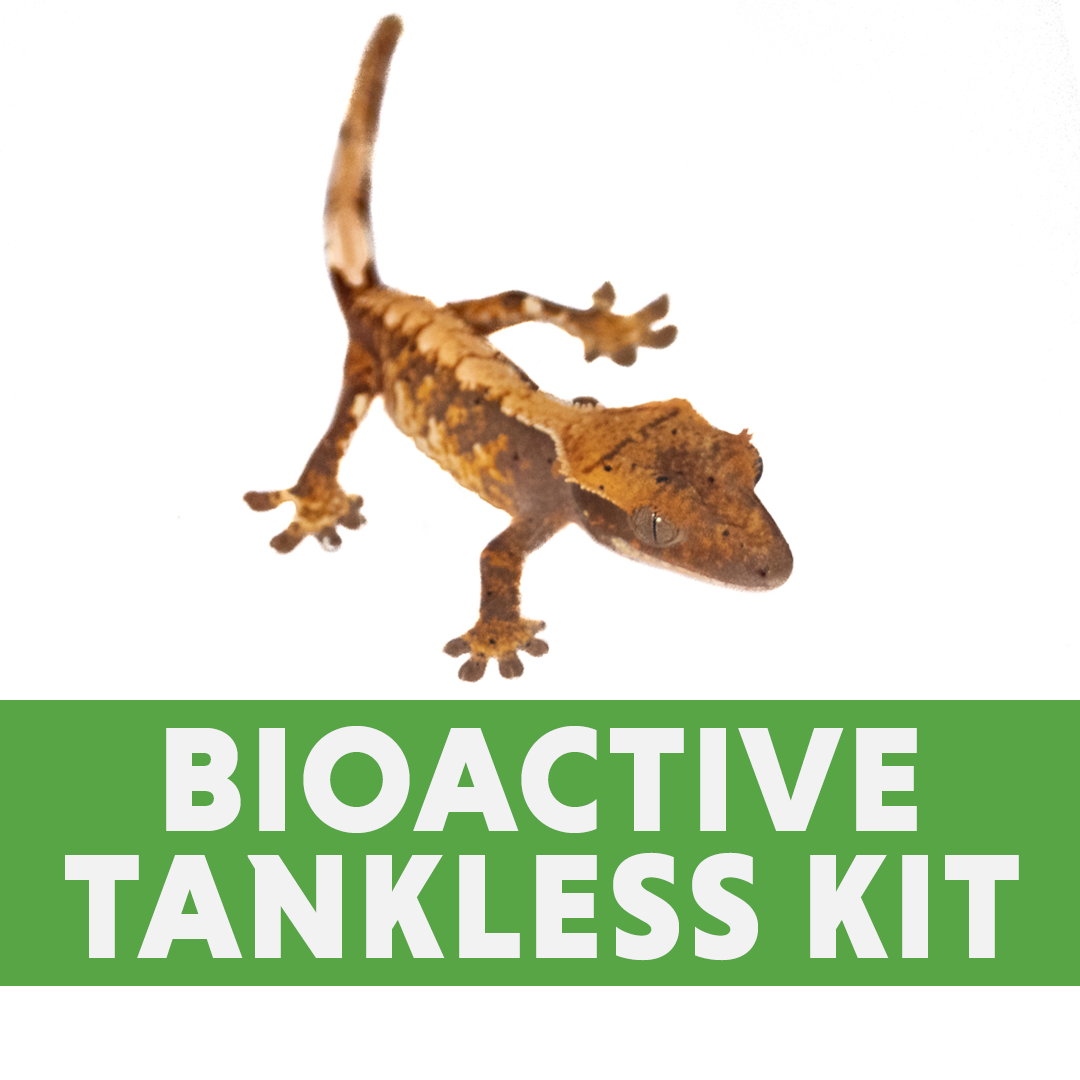
Crested geckos are arboreal, typically reaching 7 to 9 inches in total length from snout to tail tip. Their most distinctive feature is the row of spiky, hair-like scales above their eyes that resemble eyelashes, running down their back in a "crest." They possess specialized toe pads covered in microscopic hairs (setae) that allow them to climb virtually any smooth surface, including glass. Unlike many lizards, they lack eyelids; they use a long tongue to clean and moisten their eyes. A fascinating trait is caudal autotomy—they can drop their tails as a defense mechanism. The tail will not regrow, leaving them with a charming, permanent "frogbutt" appearance that doesn't impact their health.
Natural Habitat & History
These geckos are endemic to the South Pacific islands of New Caledonia, specifically Grand Terre and the Isle of Pines. They inhabit subtropical, humid forests, spending their lives in the canopy and among dense foliage. Their rediscovery in the 1990s sent shockwaves through the herpetological community and quickly led to successful captive breeding programs. Because they are protected under CITES, all crested geckos in the pet trade are captive-bred, which has helped preserve wild populations. Their native environment of moderate temperatures (72-78°F) and high humidity (60-80%) directly informs their care in captivity.

Recreating their forest canopy home is key. Shop terrarium kits here.
Behavior & Temperament
Crested geckos are crepuscular, meaning they are most active at dawn and dusk. They are generally docile and tolerate handling well, making them excellent for beginners. A stressed or startled gecko may vocalize with small chirps or barks. They are solitary creatures and should be housed alone except for specific breeding projects, as cohabitation can lead to stress, competition for food, and injury. At Crestiecare, we always recommend observing your gecko's unique personality—some are bold explorers, while others are more shy and prefer to hide among their foliage.
Crested Gecko Care Essentials
A proper setup is straightforward. An adult needs a vertically oriented enclosure at least 18"x18"x24". Maintain a temperature gradient of 72-78°F; temperatures above 82°F can be dangerous. Humidity should spike to 70-80% at night via misting and drop to 50-60% during the day. The diet is simple: a complete, powdered diet like Repashy Crested Gecko Diet or Pangea Fruit Mix ($18-$25 per bag), mixed with water, forms the staple. This can be supplemented with live insects like crickets. We at Crestiecare trust and stock these brands because their balanced nutrition is backed by decades of breeder success. A cluttered enclosure with plenty of climbing branches, cork tubes, and live or artificial plants is non-negotiable for their wellbeing.

Complete powdered diets have revolutionized their care. Shop diets and feeders here.
Morphs & Genetics
The diversity of crested gecko appearances is staggering. Morphs describe their color, pattern, and structural traits. Common patterns include tiger (dark stripes), harlequin (high contrast side patterning), and flame (reduced pattern). Colors range from olive, red, and yellow to extreme hues like moonglow (white) and dark chocolate. Structural traits include "fringe" with extra cresting or "pinstripe" with clean, raised dorsal scales. Morphs are inherited through dominant, recessive, and polygenic traits. A "halloween" morph (orange and black) can cost $150, while a rare "lilly white" can exceed $1,000. When you're ready to explore, Crestiecare's collection features a range of beautiful, healthy morphs for every enthusiast.
FAQ
What is crested gecko diet?
A proper crested gecko diet consists primarily of a complete, powdered fruit mix like Repashy or Pangea, which you mix with water to a ketchup-like consistency. This should be offered every other day. You can supplement this staple diet 1-2 times a week with appropriately sized, gut-loaded insects like small crickets or dubia roaches for extra protein.
What is crested gecko?
The crested gecko (*Correlophus ciliatus*) is a small, arboreal lizard native to New Caledonia. It's known for the hair-like projections above its eyes, its ability to climb smooth surfaces, and its generally docile temperament. It's one of the most popular pet reptiles due to its manageable care requirements and wide variety of color and pattern morphs.
What is crested gecko breeding season?
In captivity, crested geckos can breed year-round, but many breeders simulate a seasonal cycle to encourage success. This often involves a "cooling down" period for 6-8 weeks during winter, with temperatures gently lowered to the low 70s and reduced feeding, followed by a return to normal conditions which triggers breeding behavior. Females can lay a clutch of two eggs every 30-45 days for several months.
Browse our crested geckos collection
Last updated: April 13, 2026
nn